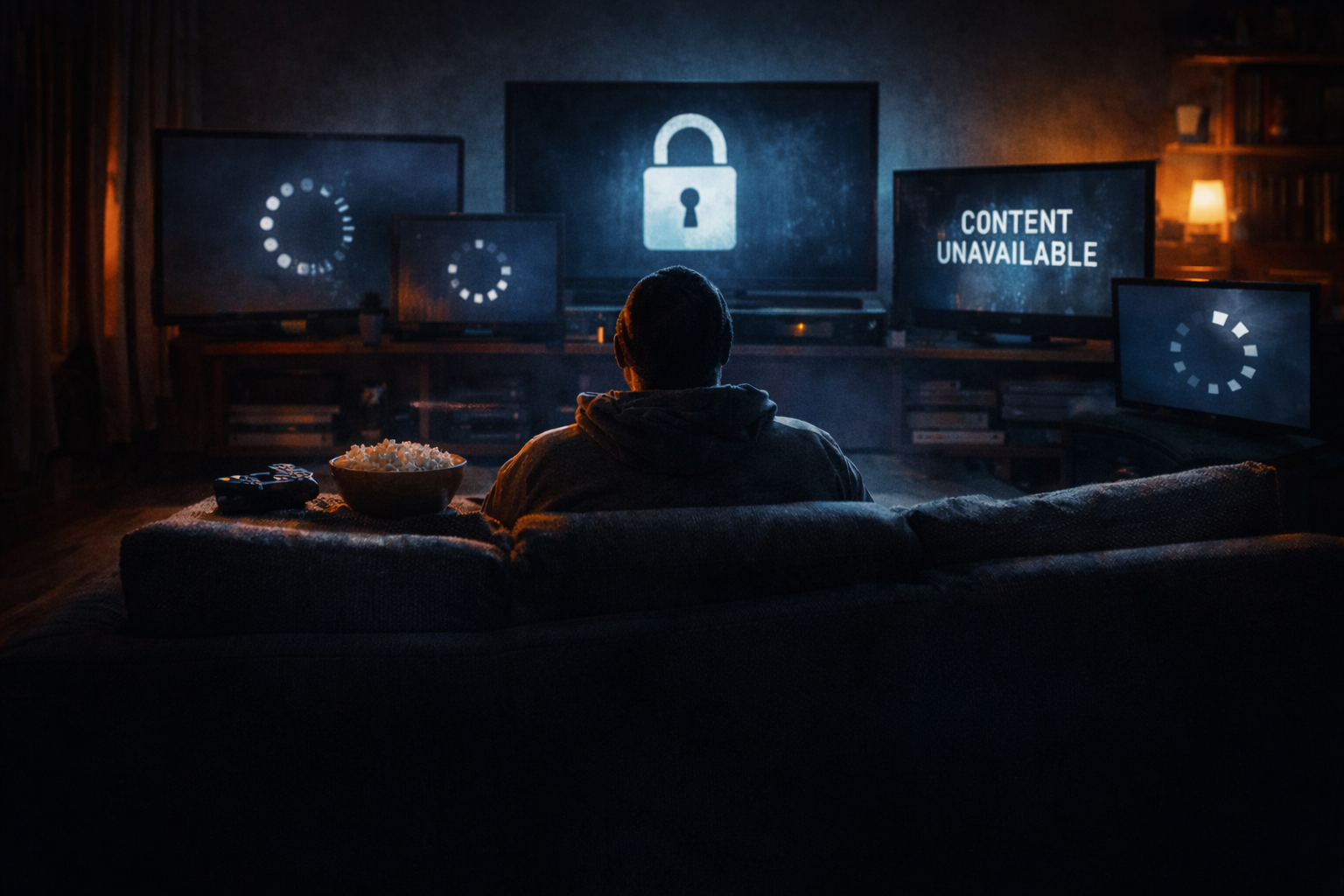
For a brief moment in the late 2010s, it looked like digital piracy was on its last legs. Streaming services had seemingly solved the problem. Affordable monthly subscriptions, massive content libraries, and instant access across devices made illegal downloads feel unnecessary and outdated. Now, we are witnessing the Rise of Piracy once again.
Fast forward to today, and piracy is quietly but steadily making a comeback.
As streaming platforms fragment, prices rise, and content becomes increasingly locked behind multiple paywalls, more people are questioning whether the modern streaming model still works for consumers. The result is a renewed interest in piracy, not driven by rebellion alone, but by frustration, economics, and digital fatigue.
This is not nostalgia. It is a response.
How Streaming Services Pushed Users Back to Piracy
The original promise of streaming was simple. Pay once, watch everything. That promise no longer exists.
Households are now expected to juggle multiple subscriptions to access the shows and films they want. Exclusive deals mean one series sits on one platform, a sequel on another, and a spin-off somewhere else entirely. Monthly costs stack quickly, often exceeding what people once paid for cable television.
Add frequent price hikes, ad-supported tiers, account-sharing crackdowns, and region-locked libraries, and the convenience that once killed piracy has been replaced by friction.
Piracy, ironically, offers what streaming no longer does. One place. No ads. No restrictions.
Convenience Beats Legality Every Time
History shows that piracy thrives when legal options become inconvenient. People are not inherently opposed to paying for content. They are opposed to being nickel-and-dimed, restricted, and treated like potential criminals.
When a legally purchased film can disappear from a library due to licensing changes, or when content is removed without warning, ownership starts to feel like an illusion. Pirated files, once downloaded, cannot be revoked.
For many users, piracy now feels more reliable than streaming.
The Cost of Living Factor
The resurgence of piracy cannot be separated from wider economic pressures. With rising rent, food costs, energy bills, and general inflation, entertainment subscriptions are often the first expenses to be questioned.
Streaming services market themselves as small monthly fees, but when stacked together, they become a significant outgoing. Piracy, in contrast, offers access without recurring cost.
This shift is especially visible among younger audiences, who grew up in a digital-first world and are highly adept at finding alternatives when systems feel exploitative.
Piracy Has Evolved With the Internet
Modern piracy is not what it once was. Gone are the days of sketchy download sites and broken files. Today’s piracy ecosystem includes private trackers, encrypted streaming sites, decentralised hosting, and community-driven sharing networks.
It is faster, cleaner, and in many cases easier than navigating multiple official apps.
This evolution has lowered the barrier to entry, bringing piracy back into the mainstream conversation rather than keeping it on the fringes.
Are Streaming Platforms to Blame?
Streaming companies often frame piracy as theft, but rarely address the conditions that cause it to rise. When platforms prioritise shareholder growth over user experience, cracks appear.
Locking content behind exclusive deals, inflating prices, and reducing access options pushes users away. Piracy becomes less about stealing and more about reclaiming access.
The uncomfortable truth is that piracy often acts as a market signal. When it rises, it usually means the legal model is failing the audience.
What Comes Next for Digital Entertainment?
The current trajectory is unsustainable. Consumers are showing clear signs of subscription fatigue. Some are rotating services month by month. Others are cancelling entirely. And a growing number are turning back to piracy as a form of protest or practicality.
Unless streaming platforms simplify access, stabilise pricing, and restore trust, piracy is unlikely to fade again anytime soon.
The digital underground is not resurging by accident. It is being invited back.
Rise of Piracy FAQs
Why is piracy increasing again despite streaming being widely available?
Piracy is rising because streaming has become fragmented, expensive, and restrictive. Users are frustrated by multiple subscriptions, missing content, and constant price increases, making piracy feel like the simpler option.
Is piracy mainly driven by people trying to avoid paying?
Not entirely. While cost plays a role, convenience and access are bigger factors. Many users are willing to pay but not for several platforms just to watch a handful of shows.
Can streaming services realistically reduce piracy again?
Yes, but only by improving the user experience. Fair pricing, broader content access, fewer restrictions, and genuine ownership options would reduce the appeal of piracy significantly.