
The rise of artificial intelligence has transformed how we live, work, and connect online – but it’s also rewritten the rulebook for digital privacy. Every click, scroll, and search leaves a trace. AI systems are watching, learning, and predicting our next moves with unnerving accuracy. Whether it’s social media algorithms, targeted ads, or facial recognition cameras in public spaces, surveillance has evolved from something we could avoid to something woven into the fabric of everyday life.
For many, digital privacy has become the new rebellion. It’s not about hiding wrongdoing – it’s about reclaiming control in a system that thrives on knowing everything about us.
The Data Gold Rush
AI runs on data – the more, the better. That’s why every major tech company is harvesting information at a massive scale. Every online purchase, map search, or voice command contributes to an invisible profile that can be used to influence behaviour, shape opinions, and even manipulate elections.
The modern web is less about serving users and more about monetising them. Privacy isn’t the default anymore – it’s a luxury. And in a world of free apps and “personalised experiences,” users are paying for convenience with their own identities.
If you’re serious about protecting your data, you need to understand what’s at stake. Tools like VPNs, encrypted messengers, and privacy-focused browsers help, but even those can’t fully shield you from AI-driven surveillance systems that analyse patterns, not just content.
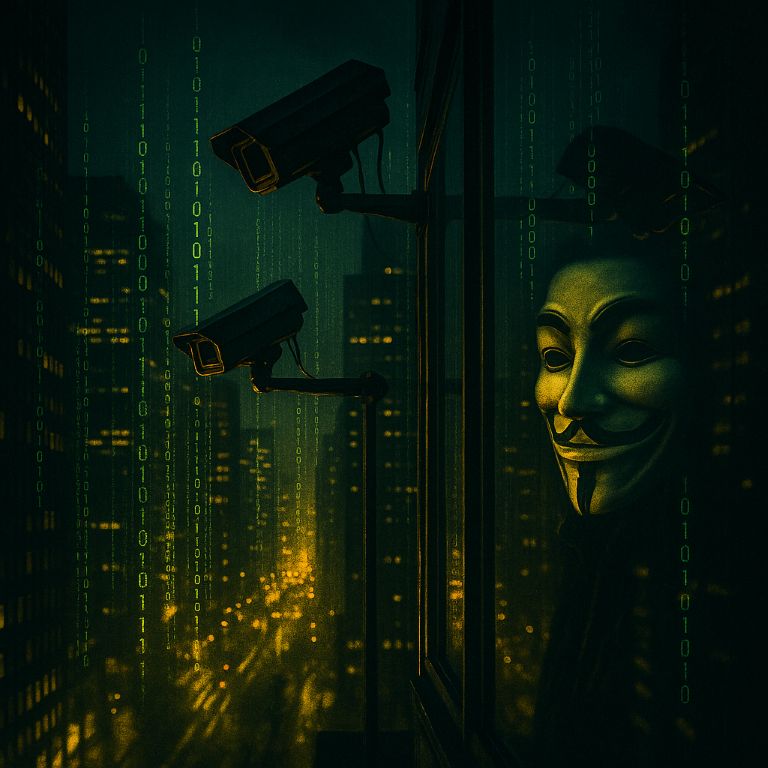
AI, Surveillance and the Illusion of Consent
When you sign up for a new app or service, you probably click “accept” without reading the terms. Those walls of text hide permissions for tracking, data collection, and third-party sharing. AI tools can now merge that data with facial recognition, GPS metadata, and voice analysis to create an all-seeing profile of who you are and what you might do next.
The scary part? You don’t even have to be online to be watched. Public CCTV systems are being upgraded with machine learning that recognises faces, tracks movements, and flags “unusual” behaviour – all in real time. This tech was once science fiction. Now, it’s standard issue for cities and corporations alike.
Taking Back Control
While it may feel impossible to stay private in a connected world, the truth is you can still push back.
Start by minimising your digital footprint – delete unused accounts, switch to encrypted email, and use browsers that don’t track you. Companies like dijitul can help businesses lock down their websites and protect user data, ensuring compliance and safety from unwanted AI monitoring.
You can also use AI for good. Open-source privacy assistants can scan your digital presence, reveal what data’s exposed, and help you manage permissions. The same technology that watches you can be turned into your shield.
The Future of Digital Privacy
AI surveillance is only going to get smarter. Predictive algorithms will know what we want before we do – and that’s where the ethical debate begins. Should we trade privacy for convenience? Should governments regulate AI data collection, or does that just move the control elsewhere?
The next frontier won’t be about deleting cookies, it’ll be about defending the right to stay anonymous in an AI-dominated world. Privacy is no longer just a feature; it’s a form of resistance.
Digital Privacy FAQs
What’s the best way to protect my digital privacy from AI tracking?
Use privacy-focused browsers like Brave or Firefox, turn off personalised ads, and avoid linking all your accounts together. Combine that with a reliable VPN and encrypted messaging apps for extra security.
Are AI surveillance systems already being used in the UK?
Yes. Many UK cities are trialling AI-enhanced CCTV systems capable of identifying individuals and detecting “abnormal” activity. Retailers and airports use similar tech for crowd management and security.
Can AI ever be used to improve online privacy?
Absolutely. AI can help identify vulnerabilities, detect unauthorised data leaks, and automate privacy settings. The key is who controls it — and what their motives are.