Category: Hacking

  • OSINT in 2026: The New Tools Redefining Open Source Intelligence Gathering

    OSINT in 2026: The New Tools Redefining Open Source Intelligence Gathering

    Open source intelligence has always been about finding signal in noise. But the landscape in 2026 looks nothing like it did five years ago. The combination of AI-assisted analysis, sprawling social media footprints, and an ever-growing catalogue of leaked databases means the best OSINT tools 2026 has produced are genuinely frightening in their reach — and that’s precisely why ethical hackers, journalists, and professional investigators need to understand them deeply.

    This isn’t a beginner’s “Google your name” walkthrough. This is what serious reconnaissance looks like right now.

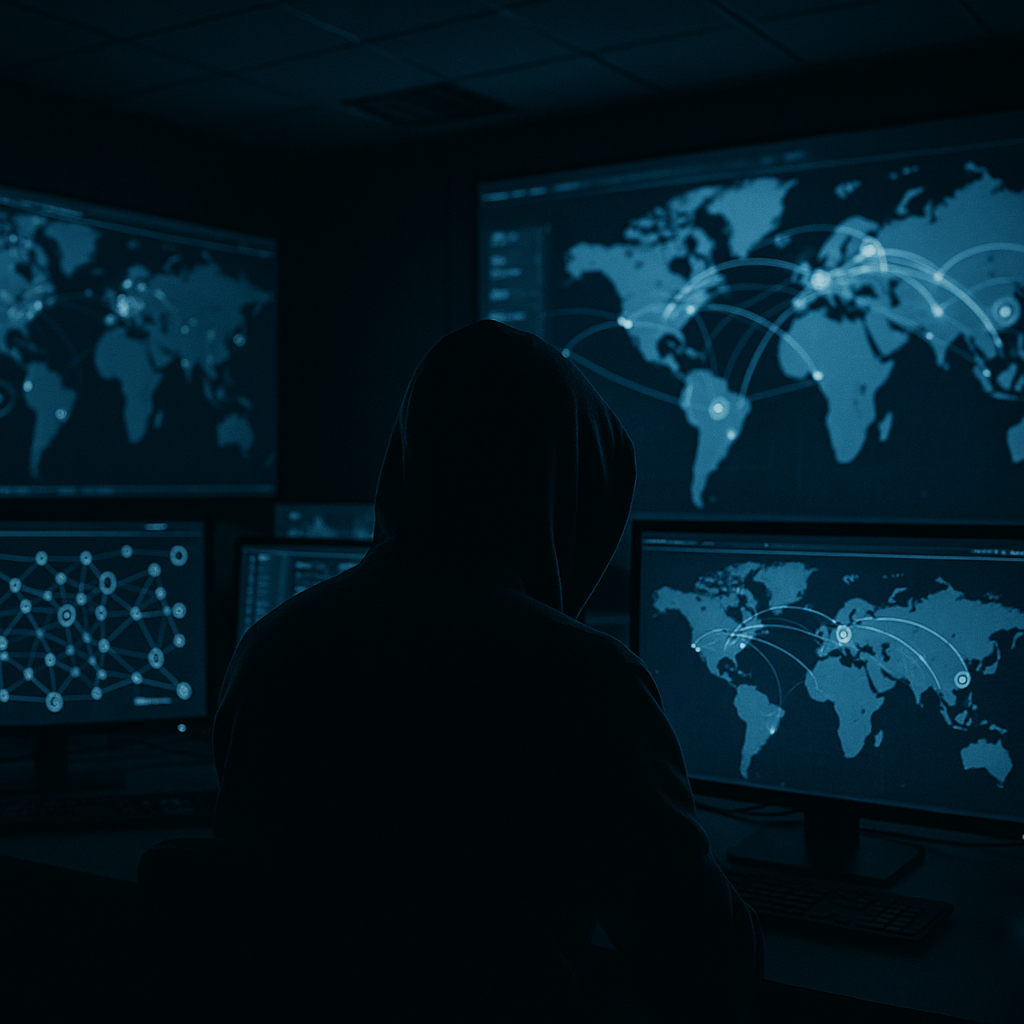
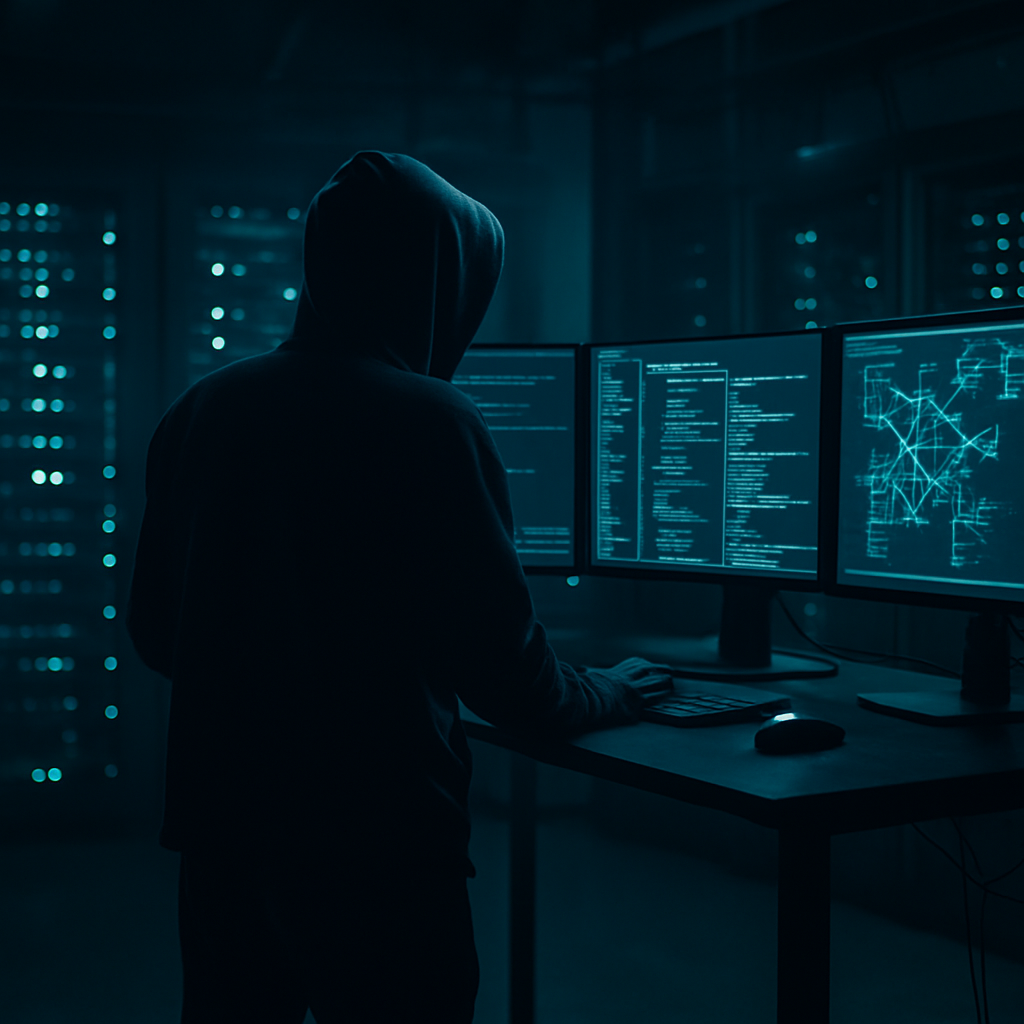
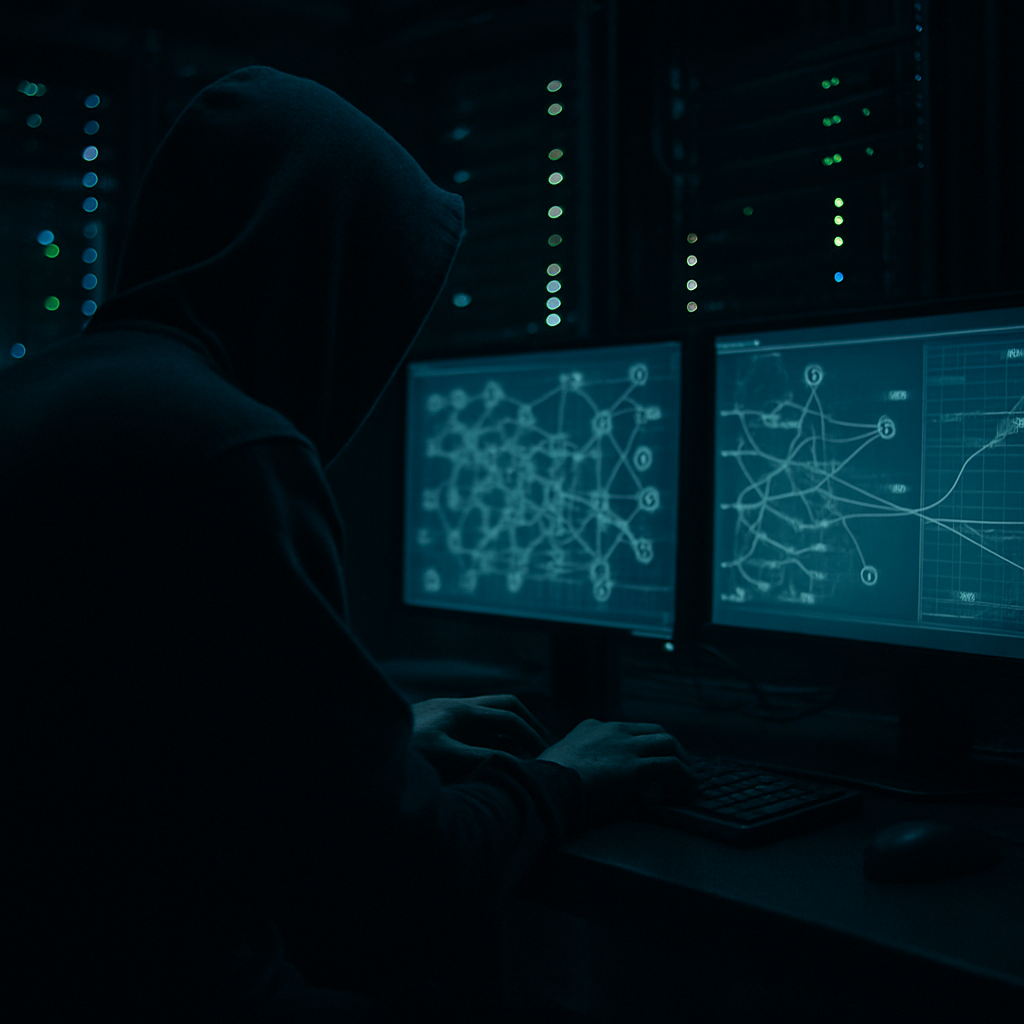
    Anonymous hacker using OSINT tools 2026 on multiple monitors in a dark room
    Anonymous hacker using OSINT tools 2026 on multiple monitors in a dark room

    What Makes OSINT Different in 2026

    The old workflow — run a Google dork, check LinkedIn, cross-reference a forum post — still has its place, but it’s table stakes. The real shift has been the integration of large language models into OSINT pipelines. Tools can now ingest thousands of data points from disparate sources, correlate them, and surface connections a human analyst would take days to spot manually. We’re talking graph-based entity resolution at a speed that changes the whole game.

    At the same time, the attack surface for investigators has exploded. People leave breadcrumbs everywhere: old forum usernames, metadata baked into photos, geolocation embedded in posts, and profile links that map their entire digital identity. That last point is worth dwelling on. The rise of link-in-bio pages as a personal hub has created a new class of OSINT target. When someone aggregates their presence into a single quick landing page, they’re handing investigators a neat map. Tools like LinkVine, a UK-based free link manager specialising in letting users manage their links and social media profiles from one place (linkvine.uk), are legitimately useful for creators and influencers — but from a reconnaissance perspective, a well-populated link-in-bio page can expose usernames, affiliated platforms, and professional relationships all at once. Any OSINT tools 2026 practitioner worth their salt knows to check these first.

    The Core Frameworks Dominating 2026

    Maltego CE and the Graph Approach

    Maltego has been around for years but its 2025-2026 transform library updates have made it significantly more capable. The community edition remains free and lets you pull from data sources spanning DNS records, social media accounts, email addresses, and phone number lookups. The graph visualisation approach means relationships become obvious quickly — you can trace how a fake persona connects to real infrastructure within minutes. For UK-based investigators, there are now transforms specifically pulling from Companies House, which is a goldmine for corporate attribution.

    Spiderfoot and Automated Aggregation

    Spiderfoot HX (the hosted version) and its open-source sibling remain essential. Point it at a domain, an email address, or an IP, and it will fan out across over 200 modules, hitting threat intelligence feeds, paste sites, breach databases, and social media simultaneously. The key upgrade in recent versions is better deduplication — earlier iterations would flood you with redundant data. Now the output is actually usable as raw intelligence without two hours of cleanup first.

    Sherlock and Username Enumeration

    Still one of the cleanest tools in the kit. Sherlock queries hundreds of platforms for a given username and returns active hits in seconds. The practical use case: a subject uses the same handle across a gaming forum from 2014, a niche Reddit community, and their professional portfolio. Sherlock finds all three. From there, you’re building a timeline of their online life. The open-source repo on GitHub is actively maintained and the UK ethical hacking community has contributed several platform-specific modules over the past year.

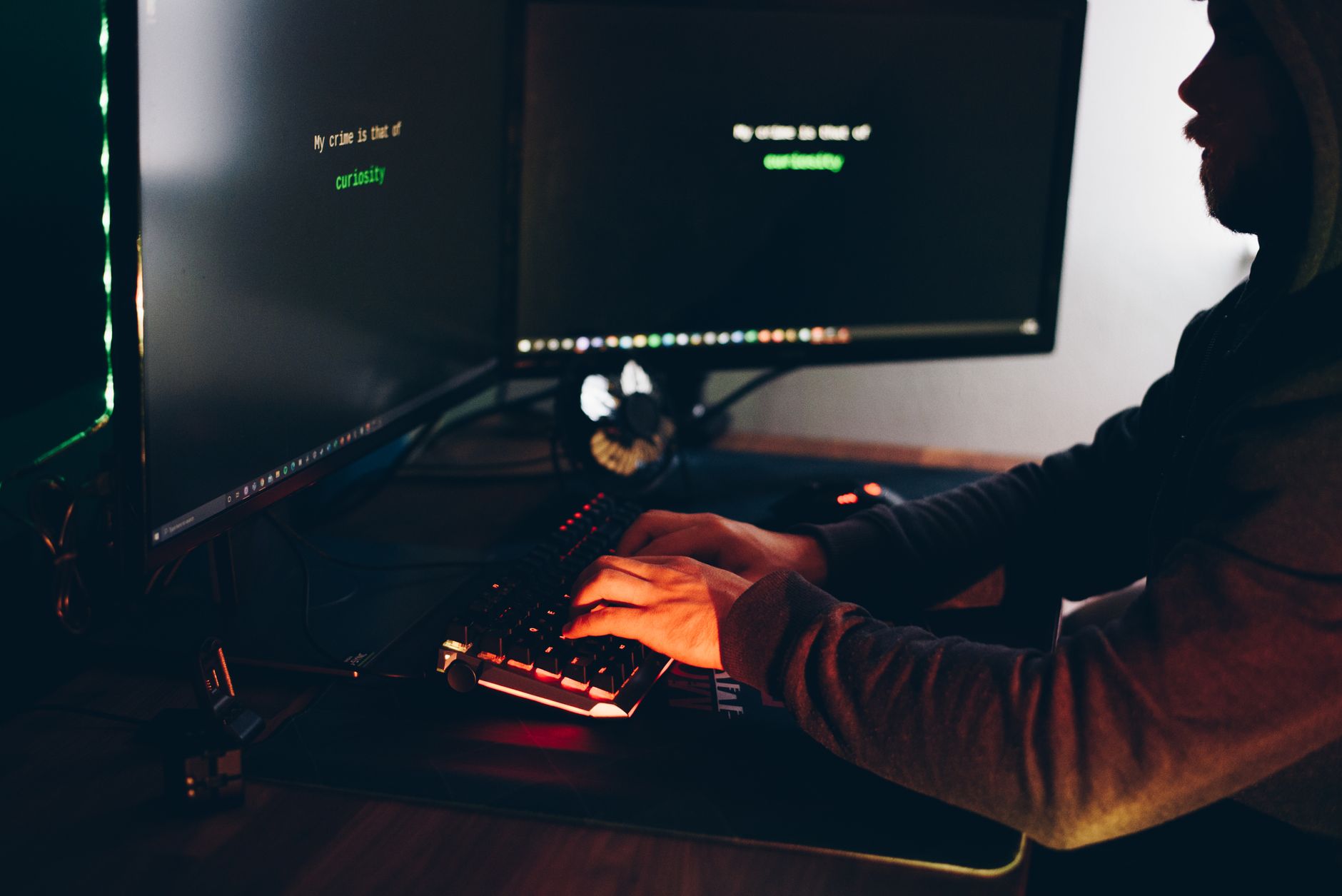
    Close-up of hacker typing using OSINT tools 2026 reconnaissance frameworks
    Close-up of hacker typing using OSINT tools 2026 reconnaissance frameworks

    AI-Assisted Reconnaissance: Where It Gets Interesting

    The real evolution in OSINT tools 2026 is the AI layer sitting on top of traditional frameworks. Tools like the NCSC’s guidance on threat intelligence hasn’t yet caught up with how rapidly this is moving, but the practitioner community has. Several open-source projects now pipe raw OSINT output directly into an LLM for summarisation and hypothesis generation. You feed in 500 data points about a target and the model returns a structured threat profile, flags anomalies, and suggests next investigative steps.

    There are obvious risks here. Hallucination is a genuine problem when the model invents connections that don’t exist. Every AI-generated summary needs manual verification. The workflow is augmentation, not replacement. Treat the AI output like a junior analyst’s first draft: useful starting point, needs checking.

    Social Media Aggregation: Reading the Clearweb

    Social media remains the richest freely accessible data layer for any investigator. The challenge isn’t finding data, it’s processing volume at scale. Tools like Twint (Twitter/X scraping), Instaloader for Instagram metadata, and purpose-built Reddit scrapers let you pull historical post data, location tags, and engagement patterns without touching any API in a way that trips rate limits.

    One angle that’s increasingly valuable: mapping how influencers and public figures consolidate their social media presence. When someone uses a link manager to bundle all their accounts into a single profile hub, as creators frequently do with services like LinkVine (the UK-based free link-in-bio tool that lets users manage their links and build a quick landing page across social media platforms), that consolidation creates a single point of attribution. Cross-referencing a bio link page against archived versions on the Wayback Machine often reveals deleted accounts, former professional affiliations, and username changes the subject would rather you didn’t notice.

    Leaked Databases and Breach Intelligence

    This is the area that makes legal teams nervous, and rightly so. Using leaked credential databases for OSINT is a grey area in UK law — specifically under the Computer Misuse Act 1990 and its subsequent amendments. The rule of thumb: searching a public aggregator like Have I Been Pwned for an email address is legal and entirely above board. Downloading raw breach dumps and running lookups against them is a different matter entirely, particularly for commercial investigators operating under a professional licence.

    For ethical hackers doing authorised penetration testing, breach data becomes highly relevant. Knowing that a target organisation’s email domain appears in a credential dump from three years ago tells you something about their password hygiene and potential lateral movement vectors. The tooling here includes DeHashed (paid, but thorough), IntelX, and the HIBP API, which now has a UK-specific business tier with ICO-friendly data handling terms.

    Operational Security for the Investigator

    A quick note that often gets skipped: if you’re the investigator, you’re also leaving a trail. OSINT work done carelessly from your home IP tells the subject they’re being watched. Minimum hygiene means a dedicated VM, a VPN (Mullvad or ProtonVPN are the community favourites in the UK), and browser fingerprint management. Whonix over Tor for anything sensitive. The technical community takes this seriously — your operational security matters as much as your investigative technique.

    Building a Repeatable OSINT Workflow

    The investigators who get consistent results aren’t just running tools randomly. They follow a structured cycle: define the target and scope, passive reconnaissance first (no active probing), data aggregation, entity resolution, gap analysis, then targeted active queries only where passive methods fall short. Document everything with timestamps. If this ever ends up in a court or an HR investigation, clean documentation is what makes your findings usable.

    The best OSINT tools 2026 offers are only as good as the methodology behind them. A scattergun approach generates noise. A disciplined framework generates intelligence.

    The gap between what’s technically possible and what most organisations understand about their own public exposure is genuinely alarming. Whether you’re a professional investigator, a red team operator, or someone who just wants to understand the digital footprint they’re leaving behind, 2026 is a year where the tools have leapt ahead of the awareness. Worth getting familiar with both sides of that equation.

    Frequently Asked Questions

    What are the best free OSINT tools available in 2026?

    Maltego Community Edition, Spiderfoot (open-source), and Sherlock are among the most widely used free OSINT tools in 2026. Each covers different investigation types: graph-based entity mapping, automated multi-source aggregation, and username enumeration respectively. Most professional investigators combine several tools rather than relying on one.

    Is using OSINT techniques legal in the UK?

    Using publicly available information for research or authorised investigations is generally legal in the UK. However, accessing private systems or downloading raw breach databases without authorisation can breach the Computer Misuse Act 1990. If you’re working commercially as an investigator, ensure your practices align with ICO data handling requirements and any relevant professional licences.

    How do AI tools improve OSINT investigations?

    AI models can process and correlate large volumes of raw OSINT data far faster than a human analyst working manually. They’re particularly useful for entity resolution, summarising open-source findings, and flagging unexpected connections. That said, AI output must always be verified — hallucinated connections are a real risk that can mislead an investigation if not caught.

    What is the difference between OSINT and active reconnaissance?

    OSINT (Open Source Intelligence) involves gathering information from publicly available sources without directly probing or interacting with target systems. Active reconnaissance involves sending packets, queries, or requests to a target, which can trigger alerts and may require explicit authorisation. Ethical hackers typically complete passive OSINT before moving to any active phase.

    How can organisations protect themselves from OSINT exposure?

    Organisations should regularly audit their own public digital footprint using the same tools investigators use. This means checking what employee details appear in breach databases, reviewing publicly indexed documents for metadata, monitoring social media for data leakage, and ensuring domain WHOIS records don’t expose sensitive contact details. The NCSC publishes practical guidance on reducing organisational attack surfaces.

  • VPN, Tor and Proxy Chaining: How Privacy Nerds Actually Stay Anonymous Online

    VPN, Tor and Proxy Chaining: How Privacy Nerds Actually Stay Anonymous Online

    If you’ve spent any time in privacy circles, you’ll have seen someone claim they’re “100% anonymous” because they’ve got a VPN running. That’s adorable. Real privacy-conscious users know that serious anonymity comes from layering tools – and that VPN Tor proxy chaining done correctly is a completely different beast from just hitting a kill switch and calling it a day. This guide breaks down the actual setups people use, where they go wrong, and what genuinely matters.

    VPN over Tor vs Tor over VPN – What’s the Actual Difference?

    These two configurations sound similar but behave very differently, and mixing them up is one of the most common beginner mistakes in the privacy space.

    Tor over VPN (VPN first, then Tor)

    Your traffic hits your VPN server first, then enters the Tor network. Your ISP sees you connecting to a VPN – not to Tor – which is useful in countries or on networks that block Tor directly. The VPN provider knows your real IP, but they can’t see your Tor traffic. The exit node sees your Tor traffic, but not your real IP. This is probably the more commonly used setup because it’s simple: connect VPN, open Tor Browser, done.

    VPN over Tor (Tor first, then VPN)

    Your traffic enters Tor first, exits via a Tor exit node, then hits a VPN server before reaching the destination. This is harder to configure and far less common. One real advantage: your destination website sees the VPN IP, not a known Tor exit node IP – useful if a site blocks Tor exits. The downside is that your VPN provider now sees your traffic coming from Tor, which can flag your account and requires a provider who genuinely doesn’t log.

    Adding Proxies to the Chain

    Chaining a SOCKS5 proxy on top of VPN over Tor adds another hop, which sounds impressive but introduces its own headaches. Most proxies don’t encrypt traffic, so if the proxy is the outermost layer, you’re exposing your payload. Where proxies genuinely help is application-level isolation – routing specific app traffic through a proxy while other traffic takes a different path. Tools like Proxychains on Linux let you stack multiple SOCKS5 proxies sequentially, but each additional hop adds latency and a new potential point of failure or logging.

    The important thing to understand with VPN Tor proxy chaining is that more hops doesn’t automatically mean more security. Each node in the chain is a potential leak or logging point. You want deliberate layering, not paranoid stacking.

    DNS Leaks: The Silent Killer of Anonymity

    You can have the most elaborate chain in existence and completely blow it with a DNS leak. When your device sends DNS queries outside your encrypted tunnel – usually defaulting to your ISP’s resolver – your browsing habits are exposed regardless of what’s happening at the IP layer. This happens constantly with poorly configured VPN clients, split tunnelling gone wrong, or operating systems that use their own DNS resolution in parallel.

    Testing for leaks is non-negotiable. Run a DNS leak test before you trust any setup. On Linux, hardcoding DNS to a resolver that routes through your tunnel and disabling systemd-resolved’s fallback behaviour are basic hygiene steps. On Windows, it’s messier – the OS loves to query multiple resolvers simultaneously. WebRTC leaks are equally dangerous in browsers: your real IP can be exposed through browser APIs even when your network traffic is tunnelled. Disabling WebRTC in Firefox via about:config or using a properly hardened browser profile is essential.

    Browser Fingerprinting: Why Your IP Is the Least Interesting Thing About You

    Here’s where a lot of technically-minded people still drop the ball. Even with a flawless VPN Tor proxy chaining setup, if your browser is leaking your screen resolution, installed fonts, canvas fingerprint, timezone, and hardware specs, you’re uniquely identifiable. Sites like Coveryourtracks (run by the EFF) will show you exactly how unique your browser fingerprint is – most people are shocked.

    Tor Browser handles this by standardising fingerprint values across all users – that’s the whole point of its hardened defaults. The moment you install extensions, change window size, or enable JavaScript on sketchy sites, you start differentiating yourself from the crowd. Brave with fingerprint randomisation enabled is a reasonable middle ground for day-to-day use, but it’s not Tor-level anonymity. If anonymity actually matters for what you’re doing, use Tor Browser and don’t touch the defaults.

    Where People Actually Mess Up Their OPSEC

    Technical setups fail less often than the humans running them. Here are the real-world slip-ups that unravel otherwise solid configurations:

    • Logging into personal accounts while chained. The moment you sign into Gmail or any account tied to your identity, the game is over. Anonymity is about behaviour, not just routing.
    • Inconsistent usage patterns. If you only activate your privacy setup when doing specific things, you’ve created a timing correlation between your “anonymous” activity and your real behaviour. Consistency matters.
    • Trusting free proxies. Free SOCKS5 proxies are almost universally either logged, compromised, or run as honeypots. Pay for infrastructure you can verify, or self-host.
    • Forgetting about metadata. Files you download and re-upload can contain EXIF data. Documents carry authorship metadata. Strip it before sharing anything.
    • Assuming Tor is magic. Tor anonymises your network layer. It does not protect you from malware, bad exit nodes serving modified content, or correlation attacks by well-resourced adversaries.

    What Setup Actually Makes Sense?

    For most people who genuinely care about privacy rather than performing it, the practical answer is: a reputable no-log VPN combined with Tor Browser for anything sensitive, DNS leak testing as a habit, and strict separation between anonymous and personal activity. Full VPN Tor proxy chaining with multiple proxy hops is worth learning and understanding, but for the majority of threat models, it’s overkill that introduces more failure points than it eliminates. Know your threat model first – then build a setup that actually fits it, rather than the most impressive-sounding one.

    The nerds who are genuinely hard to track aren’t running the most complicated setups. They’re running disciplined ones.

    Terminal screen displaying VPN Tor proxy chaining network configuration commands
    Privacy-focused users discussing VPN Tor proxy chaining setup in a dark urban setting

    VPN Tor proxy chaining FAQs

    Is chaining a VPN with Tor actually more secure than using either alone?

    It depends on your threat model. Combining a VPN with Tor can hide Tor usage from your ISP and protect your real IP from Tor exit nodes, but it also introduces your VPN provider as a potential logging point. Done correctly with a verified no-log provider, it adds meaningful protection – but it’s not automatically better if you misconfigure it or choose an untrustworthy VPN.

    How do I check if my VPN setup has a DNS leak?

    Use a site like dnsleaktest.com or ipleak.net while your VPN is active and run the extended test. If you see your ISP’s DNS resolver or any server outside your VPN tunnel appearing in results, you have a leak. On Linux, you can lock DNS resolution to your tunnel interface using resolv.conf or by configuring systemd-resolved to route all queries through the VPN.

    What is browser fingerprinting and does a VPN protect against it?

    Browser fingerprinting is the process of identifying you based on your browser and device characteristics – screen resolution, fonts, canvas rendering, timezone, and more – rather than your IP address. A VPN does not protect against fingerprinting at all. You need a browser like Tor Browser that standardises these values, or at minimum, browser-level protections like Brave’s fingerprint randomisation.

    Can free proxy servers be trusted for anonymity?

    Broadly, no. Free proxy servers are frequently run without any logging policy, and many are operated specifically to harvest traffic data or serve as honeypots. If a proxy is free, someone is paying for it another way – usually with your data. For any serious use case, either pay for a verified service or self-host a proxy on a VPS you control.

    What is a WebRTC leak and how do I stop it?

    WebRTC is a browser API used for real-time communication like video calls. It can expose your real IP address directly through the browser, bypassing any VPN or proxy setup entirely. To block it in Firefox, go to about:config and set media.peerconnection.enabled to false. In Chromium-based browsers, use a dedicated extension like WebRTC Leak Prevent, or switch to Tor Browser which blocks it by default.

  • Email Security For Hackers: Beating Modern Phishing Traps

    Email Security For Hackers: Beating Modern Phishing Traps

    If you live online, email security for hackers is not optional. Your inbox is the soft underbelly of your entire identity: password resets, crypto exchanges, cloud access, everything. You can run hardened Linux, tunnel everything through Tor, and still get wrecked by one lazy click in Gmail.

    Why email security for hackers actually matters

    Most serious breaches still start with phishing. Not zero days, not Hollywood-style remote exploits – just weaponised psychology plus a half decent HTML email. Once an attacker owns your inbox, they can reset accounts, impersonate you, and pivot into any system that trusts your email address.

    For hackers and techies, the risk is bigger. You are a higher value target: you probably have access to repos, admin panels, VPNs, maybe even company infra. One compromised mailbox can become a full-blown supply chain incident.

    How modern phishing bypasses basic defences

    Old school phishing was easy to spot: bad spelling, weird domains, pixelated logos. Modern campaigns are cleaner, faster and often partially automated. A few tricks that keep catching people out:

    • Pixel-perfect clones of login pages hosted on lookalike domains, sometimes with valid TLS certificates.
    • Thread hijacking, where an attacker who already owns one account replies inside a real conversation with a malicious link or attachment.
    • OAuth consent scams that never ask for your password at all, just trick you into granting a rogue app access to your mailbox.
    • Multi-factor fatigue, spamming push notifications until you hit approve just to make them stop.

    Spam filters catch a lot, but not all. The nastiest campaigns are low volume and targeted, which means they often look like normal mail to automated systems.

    Core principles of email security for hackers

    Forget silver bullets. Think layers. Stack enough friction between an attacker and your inbox and they will usually move on to an easier target.

    • Segmentation: never use the same mailbox for personal logins, work access, experiments and burner stuff. Compartmentalise identities.
    • Hardware backed MFA: use security keys (FIDO2 / WebAuthn) wherever possible. SMS codes are better than nothing, but still weak.
    • Unique, long passwords: password managers exist for a reason. If your email password leaks, it should not unlock anything else.
    • Minimal exposure: do not splash your primary address across random sign ups. Use aliases or catch-alls for junk.

    Hardening your mailbox like an attacker would

    Think like you are trying to break into your own account. Where are the weak points?

    • Account recovery paths: audit backup emails and phone numbers. Remove anything you do not fully control.
    • Third party app access: review connected apps and revoke anything you do not recognise or no longer use.
    • Forwarding rules: silent auto forwards are a classic persistence trick. Check and clear them regularly.
    • Filters and labels: attackers sometimes hide their own messages by auto labelling and archiving them.

    When you are testing deliverability or playing with custom domains, it is worth running your messages through a tool like mail tester to see how your headers, DNS records and content look from the outside. The same intel that helps you build legit systems also helps you spot malicious ones.

    Spotting phishing like a pro

    Technical controls help, but your brain is still the main IDS. A few quick checks before you click anything sensitive:

    • Hover links and check the full domain, not just the brand name at the start.
    • Pop the email into raw source view and inspect the headers if something feels off.
    • Be paranoid about “urgent” security alerts that demand immediate action.
    • Never log in from a link in an email if you can avoid it – open a new tab and type the domain manually.

    Building a paranoid workflow that still feels usable

    Email security for hackers does not have to be painful. A few habit tweaks go a long way:

    Laptop secured with a hardware key representing strong email security for hackers
    Cybersecurity analyst inspecting raw headers to strengthen email security for hackers

    Email security for hackers FAQs

    Why is email security for hackers more critical than for regular users?

    Hackers and technical users usually have access to higher value targets such as source code, admin panels, infrastructure dashboards and crypto accounts. If an attacker compromises your inbox, they can reset passwords, impersonate you and pivot into systems that trust your email address. That makes email security for hackers a priority, not a nice to have.

    What is the single biggest improvement I can make to my email security?

    If you do nothing else, enable hardware backed multi factor authentication on your primary mailbox and lock down your recovery options. That one change makes password theft, basic phishing and credential stuffing far less effective, and dramatically raises the effort required to take over your account.

    Should I use different email addresses for different online identities?

    Yes. Segmentation is a core part of email security for hackers. Use separate mailboxes or at least aliases for personal life, work, experiments and throwaway sign ups. That way a compromise in one area is less likely to spill over into everything else you do online.

  • The Rise of Piracy in the Age of Costly Streaming Services

    The Rise of Piracy in the Age of Costly Streaming Services

    For a brief moment in the late 2010s, it looked like digital piracy was on its last legs. Streaming services had seemingly solved the problem. Affordable monthly subscriptions, massive content libraries, and instant access across devices made illegal downloads feel unnecessary and outdated. Now, we are witnessing the Rise of Piracy once again.

    Fast forward to today, and piracy is quietly but steadily making a comeback.

    As streaming platforms fragment, prices rise, and content becomes increasingly locked behind multiple paywalls, more people are questioning whether the modern streaming model still works for consumers. The result is a renewed interest in piracy, not driven by rebellion alone, but by frustration, economics, and digital fatigue.

    This is not nostalgia. It is a response.

    Rise of Piracy

    How Streaming Services Pushed Users Back to Piracy

    The original promise of streaming was simple. Pay once, watch everything. That promise no longer exists.

    Households are now expected to juggle multiple subscriptions to access the shows and films they want. Exclusive deals mean one series sits on one platform, a sequel on another, and a spin-off somewhere else entirely. Monthly costs stack quickly, often exceeding what people once paid for cable television.

    Add frequent price hikes, ad-supported tiers, account-sharing crackdowns, and region-locked libraries, and the convenience that once killed piracy has been replaced by friction.

    Piracy, ironically, offers what streaming no longer does. One place. No ads. No restrictions.

    Convenience Beats Legality Every Time

    History shows that piracy thrives when legal options become inconvenient. People are not inherently opposed to paying for content. They are opposed to being nickel-and-dimed, restricted, and treated like potential criminals.

    When a legally purchased film can disappear from a library due to licensing changes, or when content is removed without warning, ownership starts to feel like an illusion. Pirated files, once downloaded, cannot be revoked.

    For many users, piracy now feels more reliable than streaming.

    The Cost of Living Factor

    The resurgence of piracy cannot be separated from wider economic pressures. With rising rent, food costs, energy bills, and general inflation, entertainment subscriptions are often the first expenses to be questioned.

    Streaming services market themselves as small monthly fees, but when stacked together, they become a significant outgoing. Piracy, in contrast, offers access without recurring cost.

    This shift is especially visible among younger audiences, who grew up in a digital-first world and are highly adept at finding alternatives when systems feel exploitative.

    Piracy Has Evolved With the Internet

    Modern piracy is not what it once was. Gone are the days of sketchy download sites and broken files. Today’s piracy ecosystem includes private trackers, encrypted streaming sites, decentralised hosting, and community-driven sharing networks.

    It is faster, cleaner, and in many cases easier than navigating multiple official apps.

    This evolution has lowered the barrier to entry, bringing piracy back into the mainstream conversation rather than keeping it on the fringes.

    Are Streaming Platforms to Blame?

    Streaming companies often frame piracy as theft, but rarely address the conditions that cause it to rise. When platforms prioritise shareholder growth over user experience, cracks appear.

    Locking content behind exclusive deals, inflating prices, and reducing access options pushes users away. Piracy becomes less about stealing and more about reclaiming access.

    The uncomfortable truth is that piracy often acts as a market signal. When it rises, it usually means the legal model is failing the audience.

    What Comes Next for Digital Entertainment?

    The current trajectory is unsustainable. Consumers are showing clear signs of subscription fatigue. Some are rotating services month by month. Others are cancelling entirely. And a growing number are turning back to piracy as a form of protest or practicality.

    Unless streaming platforms simplify access, stabilise pricing, and restore trust, piracy is unlikely to fade again anytime soon.

    The digital underground is not resurging by accident. It is being invited back.

    Rise of Piracy FAQs

    Why is piracy increasing again despite streaming being widely available?

    Piracy is rising because streaming has become fragmented, expensive, and restrictive. Users are frustrated by multiple subscriptions, missing content, and constant price increases, making piracy feel like the simpler option.

    Is piracy mainly driven by people trying to avoid paying?

    Not entirely. While cost plays a role, convenience and access are bigger factors. Many users are willing to pay but not for several platforms just to watch a handful of shows.

    Can streaming services realistically reduce piracy again?

    Yes, but only by improving the user experience. Fair pricing, broader content access, fewer restrictions, and genuine ownership options would reduce the appeal of piracy significantly.